
Return to Nocturnia
After everyone forgot about this idea, it has returned!

So a little over a year ago, I published an article discussing the barest of possible bones for a setting I was working on known as Nocturnia. This was intended to be a setting for B/X specifically, and would feature additional classes, as well as unique equipment, spells, and slight mechanical changes. However, I decided to take a lengthy hiatus from the setting and B/X in general to focus on other things and other systems, and as a result the project was more or less abandoned.
Recently, I’ve had the itch to play some more B/X or White Box. Not write about it (since I’m working on actual plays for Warhammer and Cryptworld currently), but simply PLAY it. But for that, I would need a setting. I could use Greyhawk, or Blackmarsh. Or even a randomly generated wilderness! However, I can hear Nocturnia calling my name, the seeds of adventures being sown in my mind as I envision the scattered elven clans, dark magicians, and the adventurers who risk their lives to oppose the evils of the land. It is time to make the journey back to Nocturnia.
Gygax 75
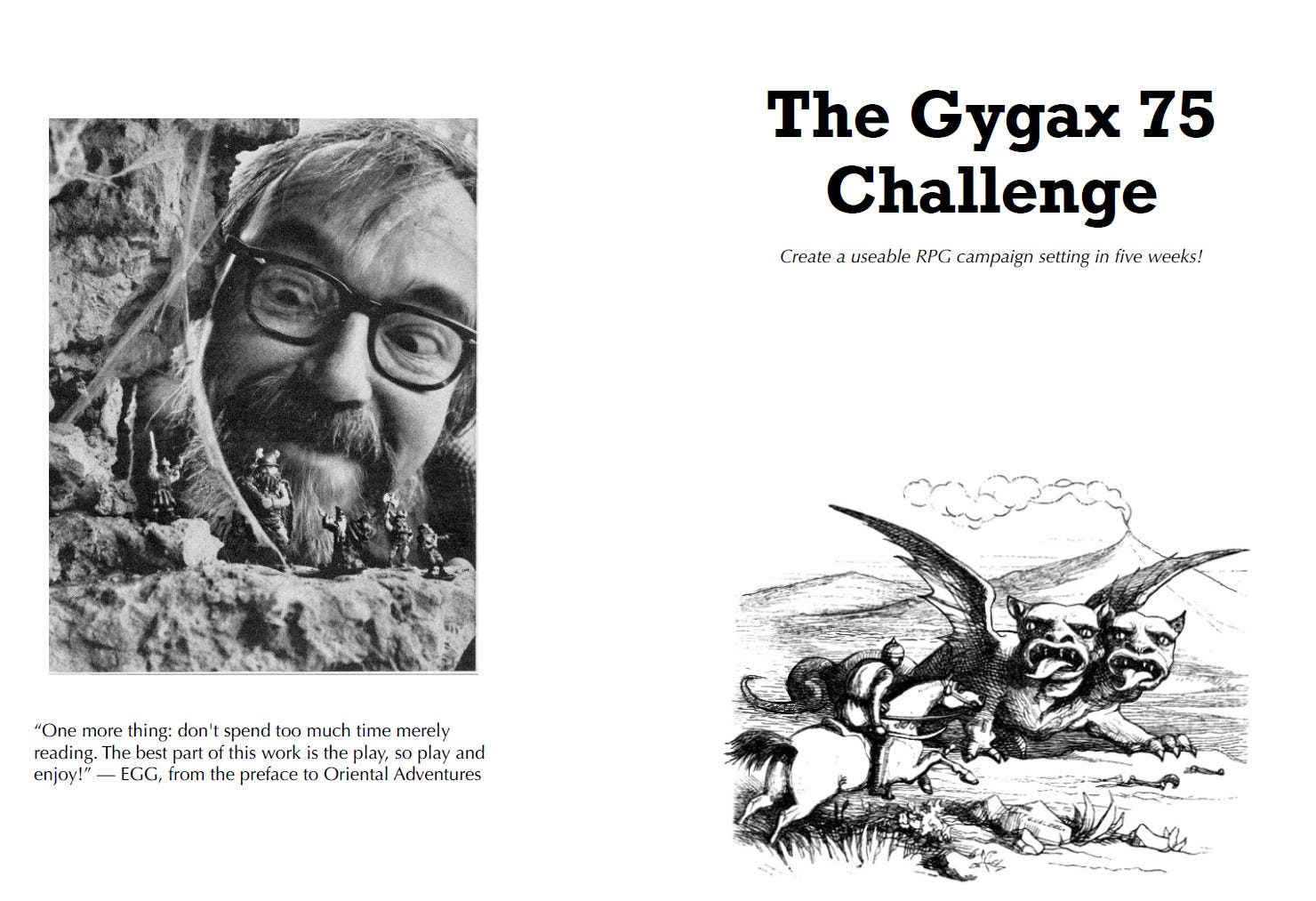
While I’m not planning on doing actual plays of my D&D games currently, I’ve decided to go ahead and write about my setting design process for Nocturnia on a weekly basis, using the Gygax 75 challenge. If you’re not familiar with the challenge, it is a five week schedule that focuses on having the designer create content using this framework:
The overall focus and overview of the world. This includes the vibes, themes, and general “aesthetic” of the setting. This includes essentially creating your own Appendix N of inspirations and references which can be drawn upon when stuck to generate ideas.
The countryside/overland of the starting area.
The location/layout of the first dungeon in that starting area. This is one of the biggest steps since it encompasses design, keying, drawing the map, and creating what basically amounts to truncated module notes.
The layout/composition of the nearest large town or city.
The rest of the setting, including additional regions, pantheons, factions, and the like.
That last step is more of an “ongoing” one; I will most likely simply map out a few more regions or key areas of interest.
As we can see, this is a pretty big project; however, broken down into these manageable chunks, it allows me to see the individual parts more easily without being overwhelmed. Doing it in a weekly and documented form will also keep me motivated and hopefully avoid burnout.
At the end of the challenge, the setting will be freely available to everyone. This includes maps, lore, encounter tables, and everything else you would expect. While I’ll most likely be updating it over time, any additional content will also be free.
This brings us to either the most or least important part of this whole thing, depending on who you ask: which system to use? We have a few options. I’ll go over each of the ones I’ve considered and their pros and cons.
Option 1: B/X
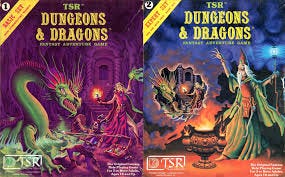
A classic for a reason. This is an old standby that allows for hacking up and changing as I see fit. Clean, simple, easy to use. It also would be the easiest for me to slap a label on concerning systems due to the amount of clones out there. On the downside, even houseruled games of B/X still tend to feel very…samey, at least in my experience. Too many houserules and changes tend to just make it feel like 0D&D or AD&D and you lose the identity of the system.
Pros: decent for house rules, large amounts of content to draw from, simple, everyone knows how to use it and play it
Cons: risk of losing identity and overall “vibe” of the system due to houserules
Option 2: 0D&D
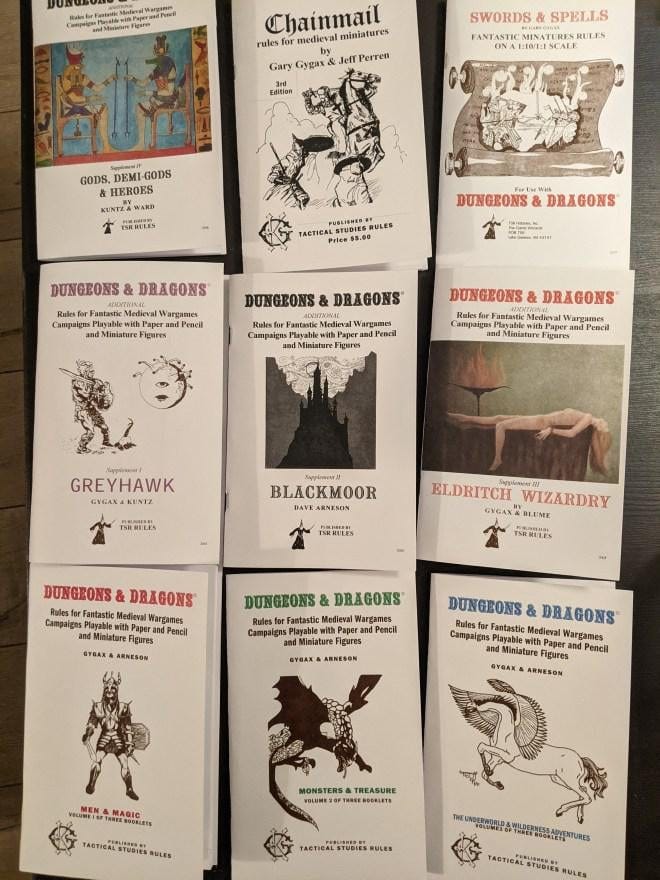
Another classic. This one is definitely more of a toolkit for GMs than B/X is, since you can effectively make your own game almost whole cloth from the pages of the 3LBBs and the supplements. It is extremely easy to house rule, and because the system is already fairly simplistic it means that changing things doesn’t affect the game nearly as much. On top of that, the aesthetics and vibes of the books and tone conveyed by them is simply unmatched. Frustratingly though, because of the simplicity and ease of hacking, it does mean the system itself can be archaic and not as user friendly, meaning that it would require much more familiarity with the base game for a GM to run. Additionally, because each retro clone takes considerable liberties with the game, the choice of which one to base it on is much more complex.
Pros: Aesthetics are perfect, the books themselves serve as amazing inspirations, and the systems are very accepting of changes and hacks
Cons: Can be pretty clunky especially when changing mechanics, hard to design for unified rules due to various retro clones doing different things with the material
Option 3: Dungeon Crawl Classics
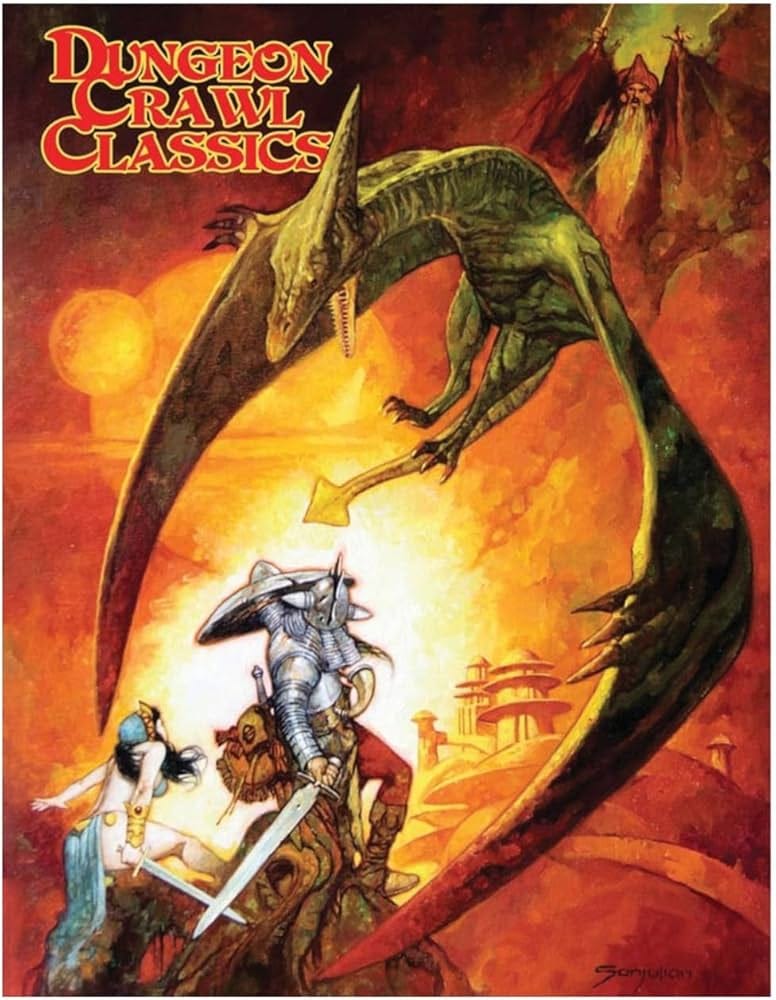
This is the dark horse option. I’m a massive fan of this game, in no small part due to how cleverly it threads the needle between simplicity of older editions and complexity of newer and weaves it all together into something very cohesive and very fun. The vibes are extremely to my taste, since it is very much a classic sword and sorcery style game. However, the fact that it is very much its own thing with unique dice and mechanics means that it’s much harder to homebrew for and not as accessible for most people. It also leans into the slightly sillier side of the spectrum, which isn’t a great fit for the setting.
Pros: Great gameplay with unique ideas, one of my favorite systems to actually play and run
Cons: Very resistant to homebrew, not as accessible for most
The Verdict
I knew what the answer was before I even started writing this post. I’m going with 0D&D/your favorite retroclone. Aesthetically, it scratches just the itch I’m looking for. The supplements (especially Eldritch Wizardry) are a trove of fun ideas and pure vibes which I’m all about. And to keep things simple and not confusing, I’m going to actually be writing it for 0D&D, not a clone. If I decide to publish this in the future or do something more with it, I’ll revise it to work with Delving Deeper or something, but for now I highly doubt WotC is going to be combing my small publication looking for homebrew related to a game published in 1974.
And with that, I have the goals laid out. Expect the first post sometime later this week or next, as well as more actual plays in the very near future. Until then, the gnome is signing off.
Look forward to seeing more